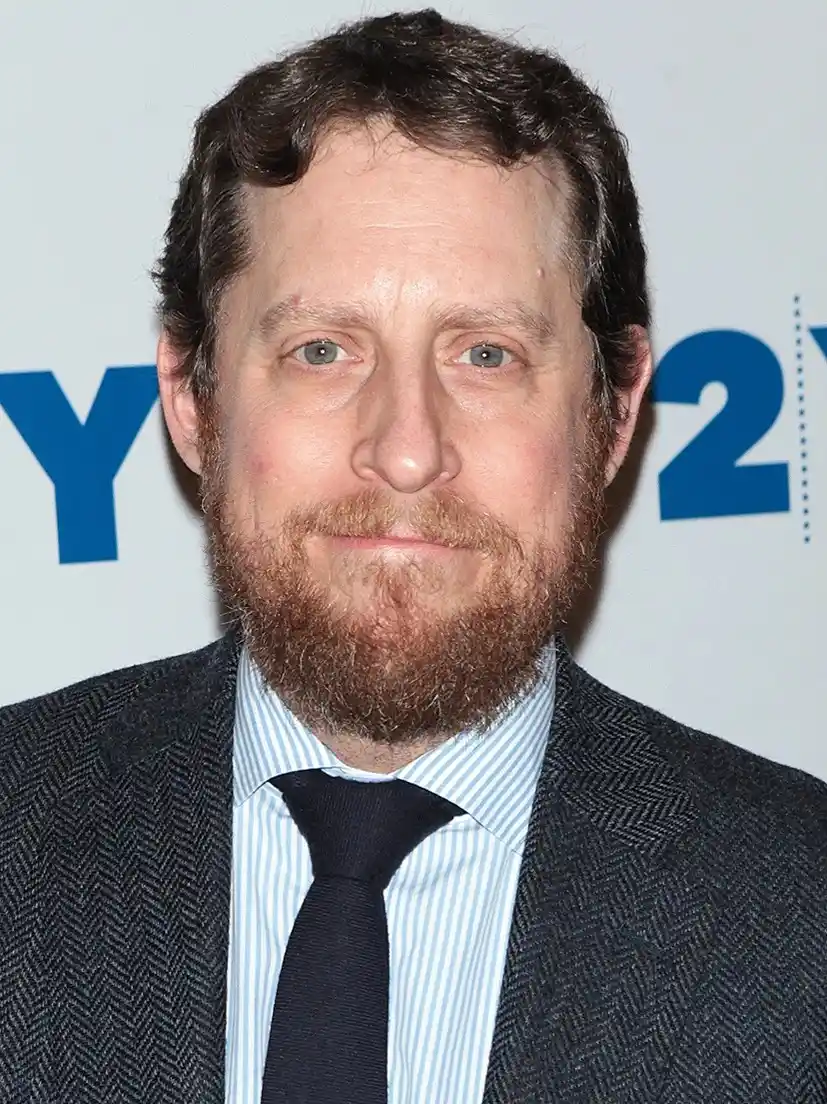
Scott Gimple's Hollywood Ascent: A New Jersey Visionary's Story
In the bustling world of Hollywood, where creative minds vie for recognition and impact, Scott Gimple stands as a testament to persistence, talent, and strategic growth. Hailing from the humble beginnings of Berkeley Heights, New Jersey, Gimple has carved out an illustrious career that saw him rise from an aspiring writer to one of television's most influential showrunners. His journey is a compelling narrative of passion meeting opportunity, culminating in a remarkable professional trajectory and a noteworthy scott gimple net worth that reflects his significant contributions to the entertainment industry.
This article delves into the captivating story of a visionary who has not only shaped some of the most iconic television series of our time but also redefined the landscape of apocalyptic storytelling. From his formative years in New Jersey to his pivotal role in expanding the globally renowned "Walking Dead" universe, we explore the milestones that have defined his career and contributed to his current financial standing.
From Berkeley Heights to USC: The Foundations of a Storyteller
Every successful journey has a starting point, and for Scott Gimple, it began in Berkeley Heights, New Jersey. This East Coast upbringing instilled a unique perspective, perhaps fueling the vivid imagination that would later captivate millions. However, it was his decision to head west, specifically to the prestigious University of Southern California's School of Cinema-Television, that truly set the stage for his professional future. USC's program is renowned for nurturing top-tier talent, providing aspiring filmmakers and writers with the technical skills, theoretical knowledge, and industry connections vital for a career in Hollywood.
Gimple's time at USC wasn't just about learning the craft; it was about immersing himself in the art of storytelling, understanding narrative structures, character development, and the intricate mechanics of production. This formal education provided a robust foundation, equipping him with the tools to translate his creative visions into tangible, screen-ready content. Many aspiring writers often underestimate the value of structured learning environments, but Gimple's path underscores how a solid academic background, especially from a leading institution, can be an invaluable launchpad in a highly competitive industry. It's where raw talent is refined, and professional standards are established, preparing individuals for the relentless demands of Hollywood.
Charting a Course in Animation and Television: Early Career Milestones
Gimple's professional journey began officially in 1997, a period of exploration and building foundational experience across various genres. His initial foray into television was with an episode of Disney's "Jungle Cubs," marking his first credited writing gig. This early work in animation proved to be a fertile training ground, allowing him to hone his comedic timing, character voices, and episodic storytelling within a family-friendly context. The discipline required for animation, often involving strict visual cues and concise dialogue, likely sharpened his ability to craft compelling narratives efficiently.
He continued to broaden his portfolio with significant roles on other animated shows, including becoming a writer and executive producer for "Fillmore!", a popular animated detective series, and contributing to "American Dragon: Jake Long" and "El Tigre: The Adventures of Manny Rivera." These experiences weren't just about accumulating credits; they were about mastering different tones, styles, and production pipelines. Such a diverse background in animation is a secret weapon for many writers, teaching them adaptability and a strong understanding of visual storytelling.
Transitioning into live-action, Gimple took on writing duties for the short-lived but critically interesting series "Drive." This shift demonstrated his versatility and willingness to tackle new challenges. His subsequent work as a writer and story editor on dramas like "Life" and the acclaimed sci-fi series "FlashForward" further expanded his dramatic capabilities, allowing him to explore complex characters and high-stakes plots. Producing and writing for "Chase" rounded out this phase, showcasing his growing responsibilities beyond just scriptwriting, indicating a clear trajectory towards leadership roles in production.
The Apocalypse Awaits: Scott Gimple and The Walking Dead Universe
The year 2011 marked a pivotal turning point in Scott Gimple's career and would cement his legacy in pop culture history: he joined the writing team for AMC's groundbreaking series, "The Walking Dead." What began as a writing and producing role quickly escalated. Gimple's keen understanding of character psychology, his ability to craft intense, emotionally resonant arcs, and his strategic vision for long-form storytelling made him an invaluable asset. He swiftly rose through the ranks, becoming a supervising producer, and eventually taking on the monumental responsibility of showrunner.
As showrunner, Gimple was at the helm of one of television's most watched and critically debated series. His creative genius breathed life into apocalyptic worlds, transforming a comic book series into a global phenomenon. During his tenure, he oversaw some of the show's most iconic and controversial storylines, pushing boundaries and captivating millions around the globe. His leadership was crucial in navigating the series through various creative challenges, maintaining its narrative integrity while expanding its universe. Beyond "The Walking Dead," Gimple also contributed to other projects like "Da Vinci's Demons," proving his ability to juggle multiple high-profile commitments.
Under his guidance, "The Walking Dead" not only sustained its massive audience but also diversified into a sprawling franchise, including spin-offs like "Fear the Walking Dead" and a growing slate of forthcoming projects. This expansion into a multi-series universe demonstrates Gimple's profound impact and his elevation to a true entertainment architect. For a deeper dive into his creative contributions to this iconic franchise, explore The Creative Genius of Scott Gimple: Shaping TV with The Walking Dead.
Beyond the Screenplay: Understanding Scott Gimple's Net Worth
Scott Gimple's journey from a New Jersey enthusiast to a Hollywood heavyweight is not just a story of creative triumph but also one of significant financial achievement. Currently, Scott Gimple's net worth is estimated at a substantial $3 million dollars. This figure is a direct reflection of nearly three decades of consistent work, escalating responsibilities, and successful negotiation within the demanding entertainment industry.
How does a writer and producer accumulate such wealth? It's a combination of several factors unique to Hollywood's compensation structure:
- Writer's Fees: As an episodic writer, Gimple earned per script, with rates increasing based on experience and union minimums (WGA).
- Producer Salaries: Moving into producing and executive producing roles comes with a significant salary increase, often negotiated on a per-season or overall deal basis.
- Showrunner Compensation: The role of showrunner is one of the most lucrative in television. It involves not just writing but also overseeing all creative aspects, managing budgets, and leading a vast team. Showrunners of hit series like "The Walking Dead" command multi-million dollar annual salaries and often receive significant bonuses and backend participation.
- Residuals and Royalties: For successful shows, writers and producers earn residuals for reruns, streaming, and international distribution.
- Overall Deals: As his influence grew, Gimple likely secured "overall deals" with studios (like AMC Studios), where he was paid a substantial annual salary to develop new projects and oversee existing ones for a set period, offering both stability and opportunity for further wealth creation.
The $3 million scott gimple net worth isn't just a number; it's a testament to sustained relevance, strategic career progression, and the ability to deliver high-quality, audience-engaging content consistently. It highlights that building wealth in the creative sector is a marathon, not a sprint, requiring both artistic talent and shrewd business acumen. For a deeper look into the specifics of his financial growth, check out Scott Gimple's $3 Million Net Worth: Writer to TWD Showrunner.
Key Takeaways from Gimple's Trajectory for Aspiring Visionaries
Scott Gimple's career offers valuable lessons for anyone aspiring to make a significant mark in the creative industries:
- Embrace Foundational Education: While not always mandatory, a strong educational background can provide invaluable tools and a competitive edge.
- Diversify Early On: Gaining experience across different genres (animation to drama) and roles (writer to executive producer) builds a versatile skillset and opens more doors.
- Cultivate Persistence and Patience: Success in Hollywood rarely happens overnight. Gimple's ascent involved years of consistent work, climbing the ranks gradually.
- Seize Leadership Opportunities: Moving from a writer to a showrunner position demonstrates a willingness to take on greater responsibility and manage complex projects.
- Focus on Compelling Storytelling: Ultimately, Gimple's success is rooted in his ability to craft intricate narratives and create characters that resonate deeply with audiences.
Conclusion
From the classrooms of USC to the apocalyptic landscapes of "The Walking Dead," Scott Gimple's journey is a compelling blueprint for success in Hollywood. His New Jersey roots instilled a grounded perspective, while his relentless pursuit of compelling storytelling led him to the pinnacle of television production. With a substantial scott gimple net worth of $3 million, he stands as a prime example of how creative vision, coupled with strategic career development and unwavering dedication, can translate into significant professional and financial reward. As he continues to shape the future of entertainment, Scott Gimple remains a true visionary, proving that the most captivating stories are often those of the creators themselves.
